Understanding Moroccan customs and etiquette before your trip will help you feel more confident, show respect for local traditions, and enjoy a more meaningful travel experience.
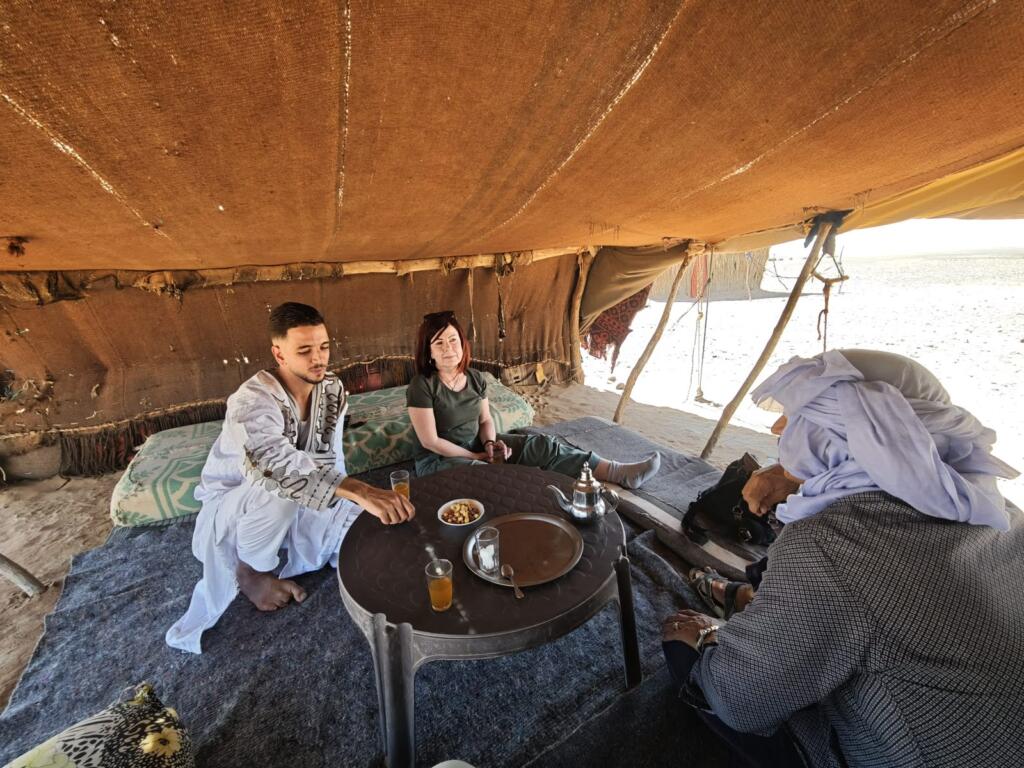
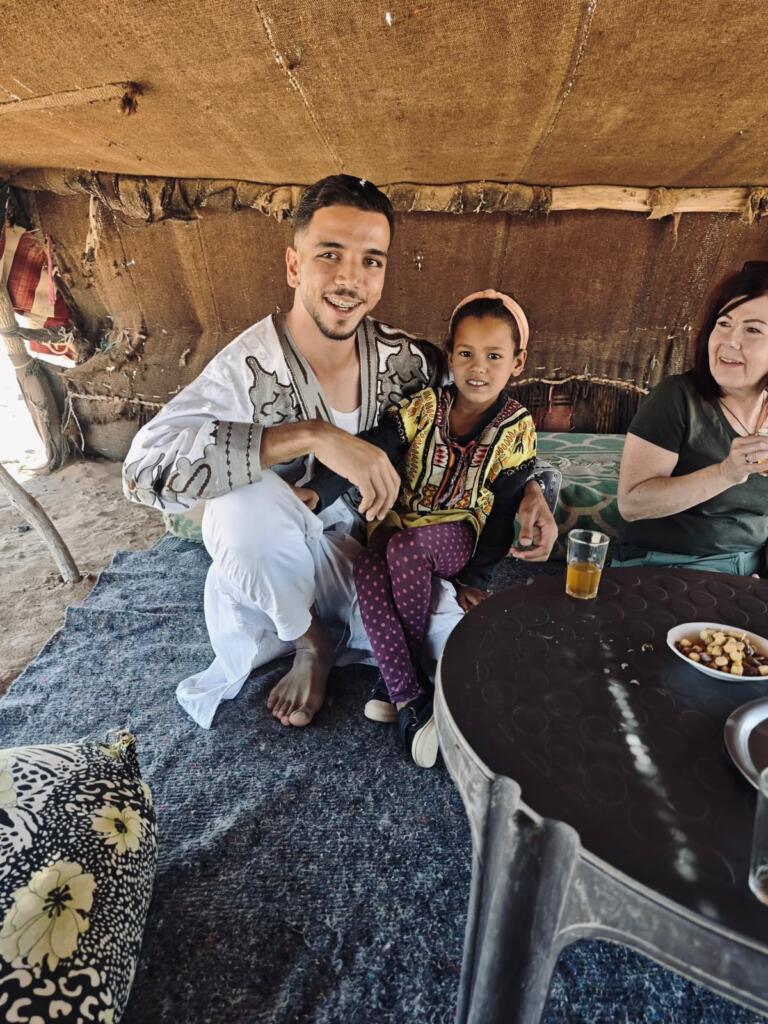
One of the first things visitors notice about Morocco is the warmth of its people. Hospitality is a deeply rooted part of Moroccan culture, and guests are often treated like family. Whether you’re invited into a home, offered mint tea, or simply greeted with a smile, accepting kindness with appreciation goes a long way.
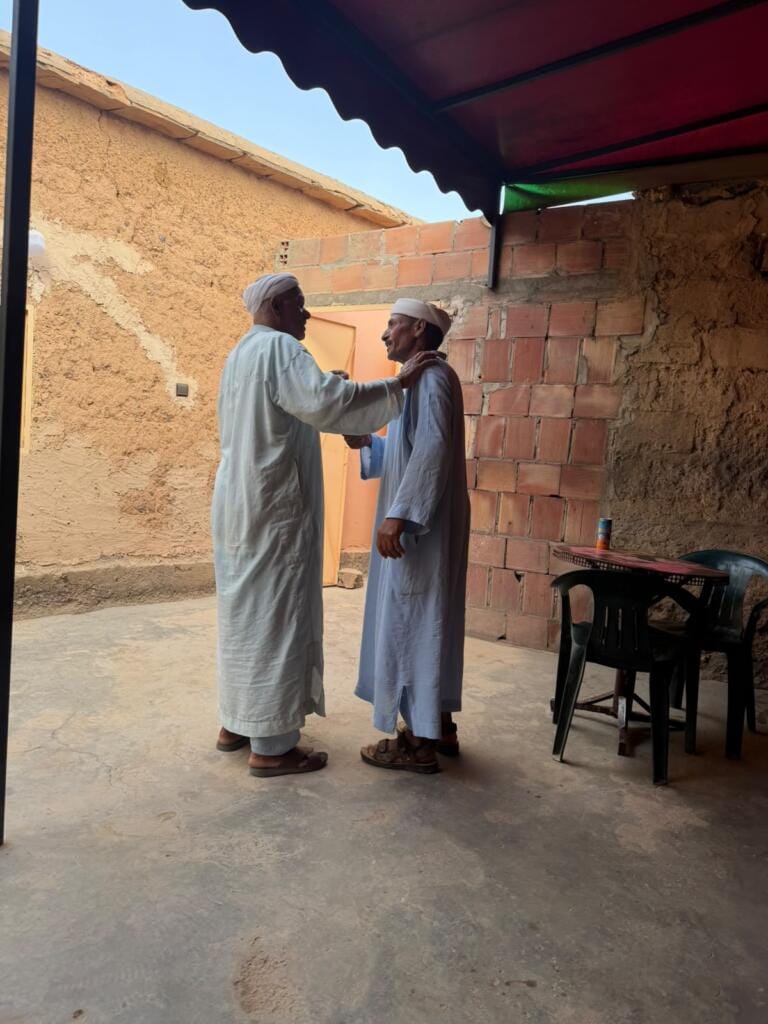
An easy way to observe Moroccan customs and etiquette is to offer a simple handshake when meeting someone for the first time, although close friends and family may greet each other with kisses on the cheek. When greeting someone of the opposite sex, it’s polite to let them initiate a handshake if they are comfortable doing so.
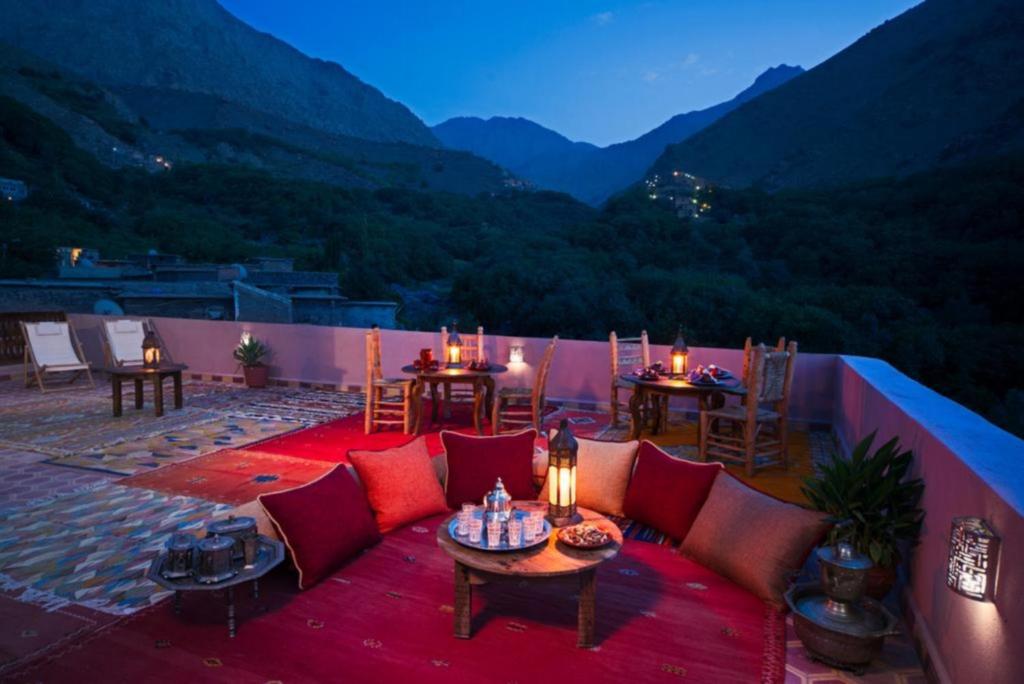
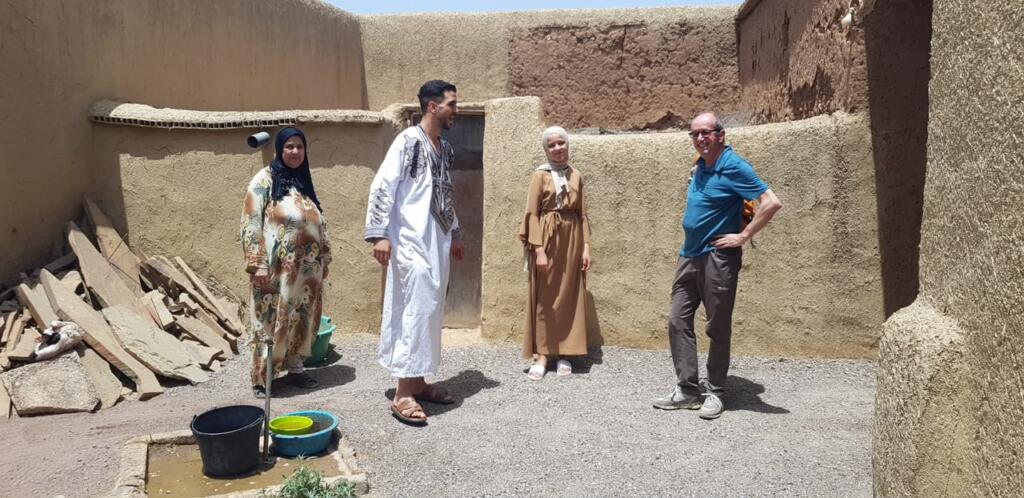
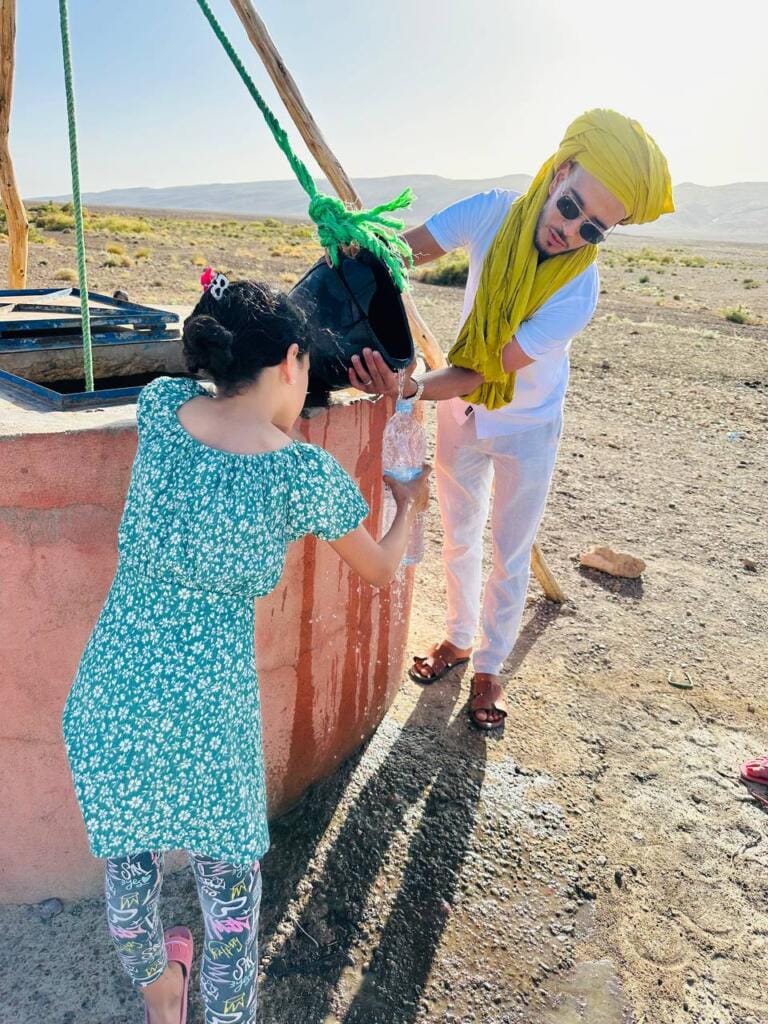
For a traveler, hospitality is not confined to private homes but is a part of the public landscape. True to Moroccan customs and etiquette, a traveler will experience this hospitality immediately upon stepping into a traditional riad, where the staff treats arrivals not merely as paying clients but as honored guests. Out in the souks (markets), vendors embody this hospitality through the ritual of conversation. Even when traveling through rural regions like the mountains or the desert, passing strangers or shopkeepers will frequently offer a warm smile, a hand to the heart, ensuring that outsiders feel safe, respected, and looked after throughout their journey.
Morocco is a welcoming country where visitors from around the world are warmly received. While there is no strict dress code for tourists, choosing modest, comfortable clothing is a simple way to show respect for local customs and feel more at ease during your travels.
In larger cities like Marrakech, Casablanca, and Rabat, you’ll see a mix of traditional and modern fashion. However, in smaller towns, rural villages, and religious sites, more conservative clothing is appreciated. Lightweight pants, longer skirts, and tops that cover the shoulders are practical choices, especially during warmer months.
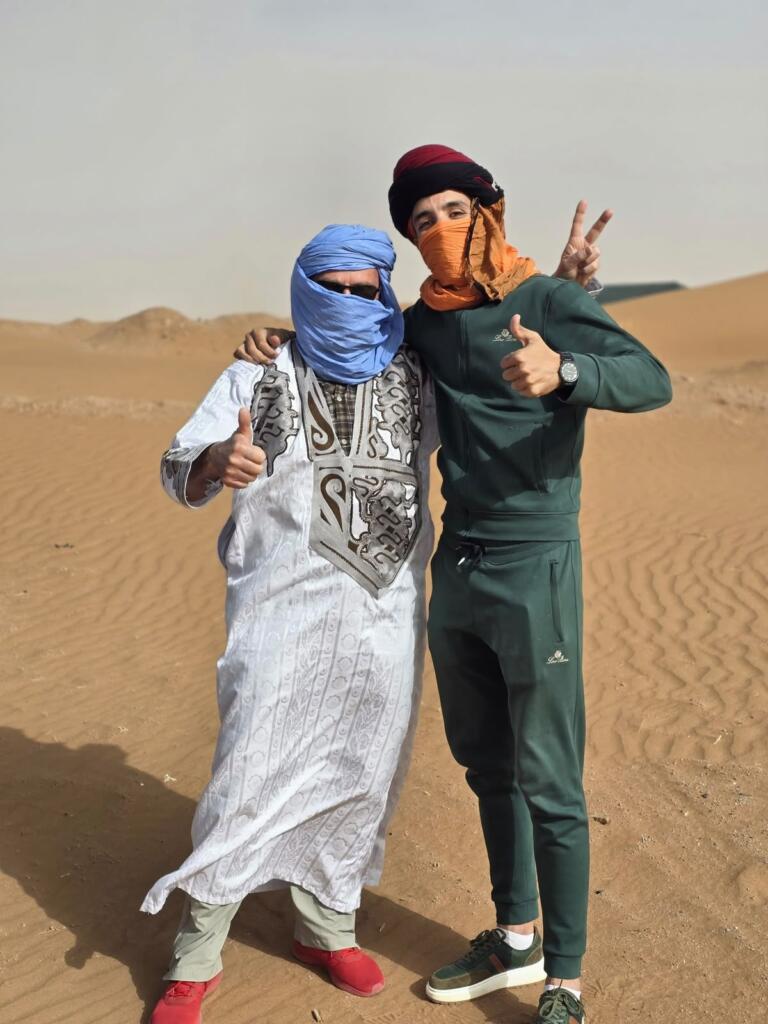
When visiting mosques or other places of religious significance that are open to visitors, dressing modestly is especially important. Comfortable walking shoes, a light scarf, and layers for cooler evenings in the mountains or desert will help you stay prepared throughout your journey.
You don’t need to dress like a local to be welcomed in Morocco. Simply dressing respectfully helps you blend in, avoid unwanted attention, and demonstrates appreciation for Moroccan customs and etiquette, as well as the country’s rich traditions and culture.


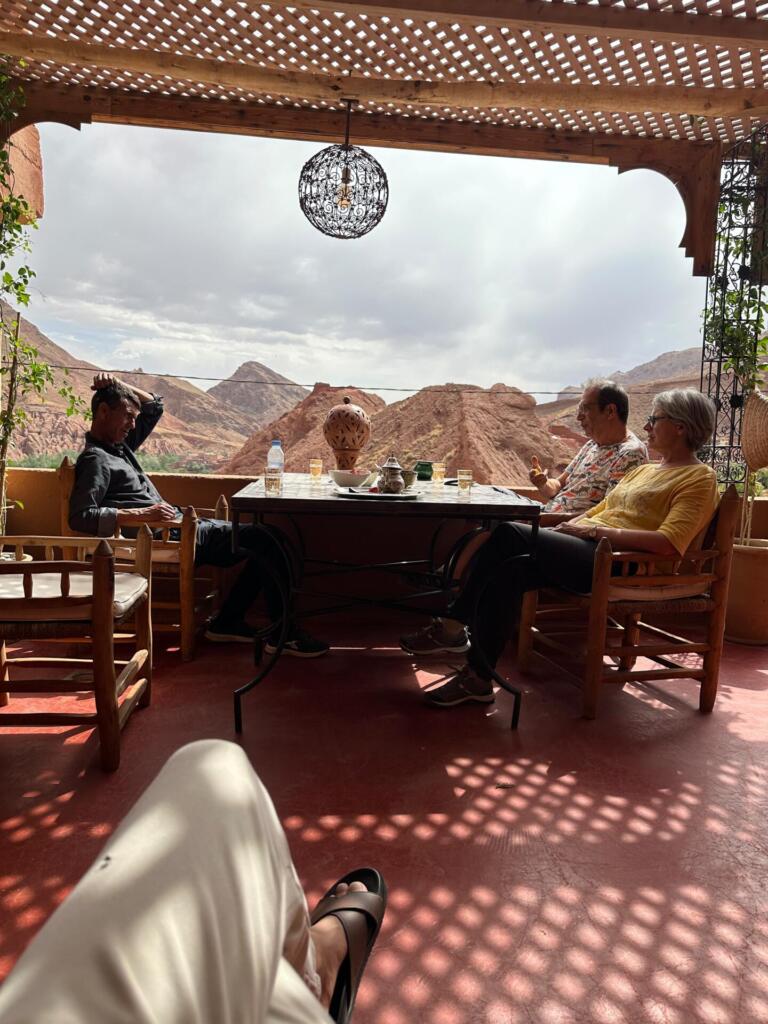
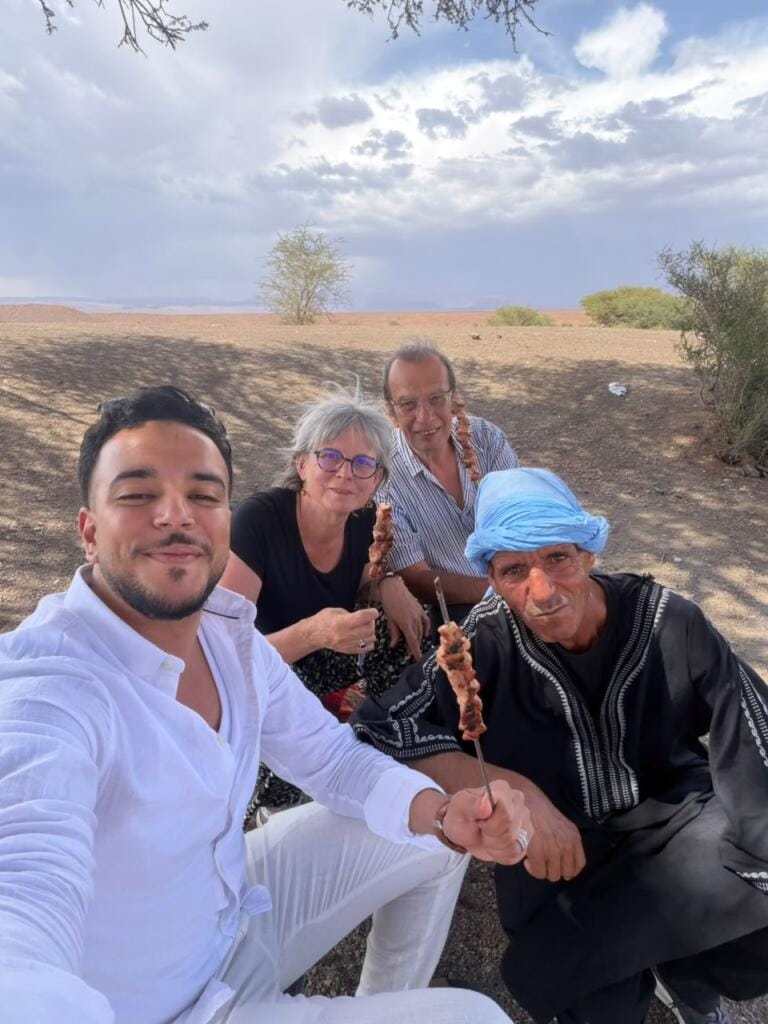
Food is at the heart of Moroccan hospitality. Whether you’re enjoying a family dinner in a riad, sharing a tagine in a village, or gathering around a table after a day of exploring, meals are about much more than eating. They’re about spending time together.
If you’re invited into a Moroccan home, don’t be surprised if your host encourages you to have another serving. Hearing “Eat, eat!” is a sign of generosity and affection, not pressure. Accepting a second helping or even just tasting a little more is a thoughtful way to show appreciation for your host’s kindness.
Traditionally, many Moroccan meals are shared from one large serving dish placed in the center of the table. It’s customary to eat from the portion directly in front of you rather than reaching across the dish. If eating with your hands, use your right hand, as it is considered the respectful hand for sharing food.
Don’t worry about getting all the Moroccan customs and etiquette details exactly right. Your hosts will appreciate your genuine curiosity and willingness to experience their traditions. A smile, a simple “Shukran” (thank you), and enjoying the meal are often the best etiquette of all.
Morocco is a modern country with deep cultural and religious traditions. Visitors are not expected to know every custom, but showing respect for Moroccan customs and etiquette and traditions is always appreciated and often leads to warmer interactions with the people you meet.
While exploring Morocco, you’ll hear the call to prayer echo through cities and villages several times each day. It is a beautiful reminder of the country’s rich cultural heritage. Daily life may briefly slow during prayer times, especially in smaller communities.
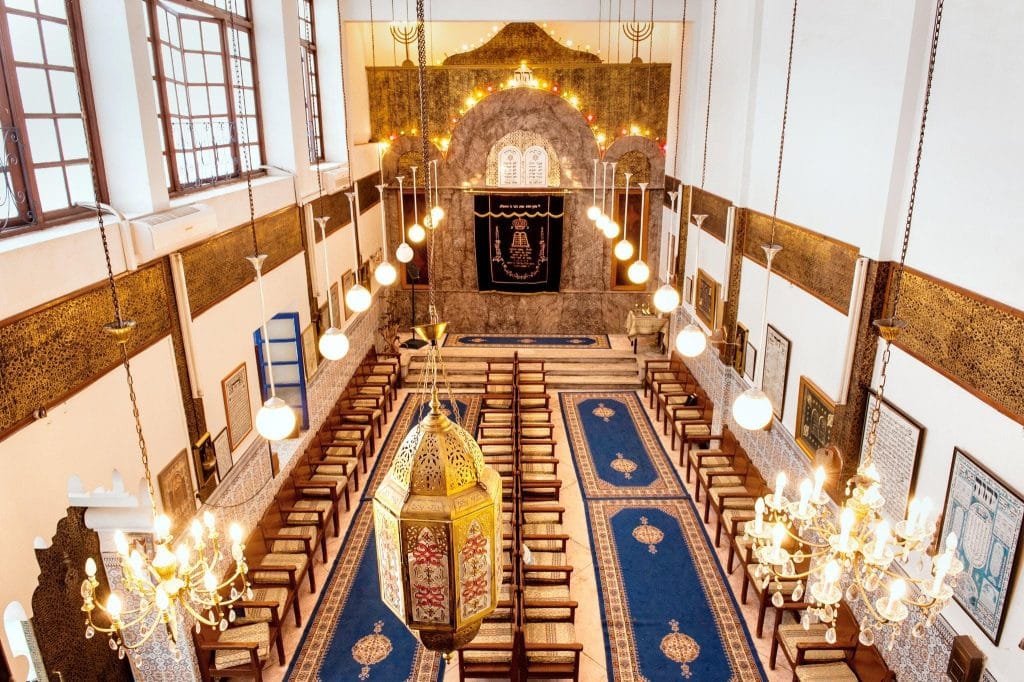
Most mosques in Morocco are reserved for Muslim worshippers, with the exception of the Hassan II Mosque in Casablanca, which welcomes non-Muslim visitors on guided tours. When visiting religious or historic sites, modest clothing and respectful behavior are always encouraged to honor Moroccan customs and etiquette.
During the holy month of Ramadan, many Moroccans fast from sunrise until sunset. Visitors are not expected to fast, but avoiding eating, drinking, or smoking in public during daylight hours is considered a thoughtful sign of respect, particularly in smaller towns and traditional neighborhoods.


Curiosity is always welcome. If you’re unsure about a custom or tradition, simply ask your guide or host. Moroccans are often proud to share their culture and are happy to answer respectful questions.
Morocco is filled with colorful markets, breathtaking landscapes, historic architecture, and unforgettable moments you will want to photograph. While capturing scenery and landmarks is generally welcomed, photographing people requires a deeper understanding of Moroccan culture and etiquette.
Always ask for permission before taking a close-up photo of someone, especially artisans, street vendors, musicians, or children. A warm smile and a polite gesture toward your camera are often enough to ask if it is okay. While many locals are happy to pose, others may politely decline, and their privacy must be respected. In bustling tourist hubs like Marrakech’s Jemaa el-Fnaa square, performers such as snake charmers or street musicians view posing as their livelihood and expect a small tip. If you decide to photograph them, it is customary to offer a few dirhams as a courtesy for their time.
Some of the best memories aren’t captured through a camera lens. Take a moment to enjoy the sounds, conversations, and atmosphere around you before reaching for your phone. Sometimes the moments you’ll remember most are the ones you simply experienced.
Tipping is a common way to show appreciation for good service in Morocco. While it is not always required, understanding how it fits into Moroccan culture and etiquette will help you navigate your journey with confidence and respect.
In restaurants, leaving a small gratuity for good service is customary, especially if a service charge has not already been included. Hotel staff, local guides, drivers, and porters also appreciate tips as a thank-you for their assistance and hospitality.
When visiting markets or smaller family-run businesses, tipping is generally not expected unless someone has provided a special service or extra assistance. Generosity is appreciated but never expected beyond your comfort level.
If you’re unsure whether to tip or how much to give, don’t hesitate to ask your guide. They know the local customs and can help you navigate each situation with confidence, ensuring your appreciation is both appropriate and meaningful.
Is bargaining considered rude?
Not at all! Friendly bargaining is a completely normal part of shopping in the souks and artisan markets. Try to think of it as a fun conversation rather than a stressful competition. Smile, keep things lighthearted, and enjoy the banter. Engaging respectfully with the vendors is actually a core pillar of Moroccan culture and etiquette. If a price just doesn’t feel right to you, there is no pressure, it is perfectly fine to say a warm thank you and keep browsing.
Can I wear shorts?
Yes, you definitely can, especially when you are exploring larger cities and popular tourist hubs. That said, opting for longer shorts, skirts, or lightweight pants is generally a bit more comfortable and respectful. This is especially true if you are heading into rural villages, traditional neighborhoods, or religious sites. Keeping Moroccan culture and etiquette in mind by dressing a bit more modestly will help you blend in, avoid unwanted attention, and feel much more at ease.
Can I drink alcohol?
Yes, it is available. You will find alcohol in many hotels, licensed restaurants, bars, and certain supermarkets, particularly in major cities and tourist areas. While it is completely legal, keep in mind that Morocco is a predominantly Muslim country. Drinking discreetly and avoiding public intoxication goes a long way in showing respect for the local community.
Can unmarried couples share a room?
If you are visiting as a foreign couple, you will find that the vast majority of hotels, riads, and tourist accommodations will welcome you to share a room without any issues. Moroccan laws are different for Moroccan citizens, which is why you might see varying regulations for locals. If you are ever unsure about a specific place you’ve booked, just reach out, we are always happy to check for you before you trip!
Can I hold hands with my partner?
Holding hands is totally fine and very common among tourists, so it unlikely to attract much attention in popular destinations. However, more intense displays of affection, like prolonged kissing or heavy embracing in public, are deeply discouraged under Moroccan culture and etiquette. Keeping things low-key in public ensures a comfortable experience for both you and the residents around you.
Do I need to remove my shoes?
If you are lucky enough to be invited into a Moroccan home, just take a quick cue from your host! If you see them leaving their shoes at the entrance, it is polite to do the exact same. You might also run into this custom at some traditional, family-run guesthouses. When in doubt, just ask. Your hosts will love that you were thoughtful enough to check.
Is Morocco safe for tourists?
Morocco is incredibly welcoming and stands as one of North Africa’s most popular travel destinations. Just like traveling anywhere else in the world, staying aware of your surroundings, keeping an eye on your belongings, and listening to local advice will keep your trip smooth and stress-free. Most travelers head home with nothing but amazing memories of the incredible warmth and hospitality they experienced.


Visitors often ask if there are strict rules they need to follow while traveling in Morocco. The answer is no. Morocco is a welcoming country that receives millions of visitors every year, and you’ll see travelers dressed in many different styles and behaving differently depending on where they are.
However, choosing to dress modestly, asking before taking someone’s photo, and showing consideration for local customs are simple ways to demonstrate respect. These thoughtful gestures are often appreciated by local families and can lead to warmer conversations and more meaningful experiences.
Think of it this way: when we travel, we are guests in someone else’s home. You don’t need to be perfect, just be respectful, curious, and kind. Those qualities are appreciated in every culture.