If you’re wandering through the colorful streets of Marrakech, taking a scenic train ride between cities, or heading into the Atlas Mountains and the Sahara Desert, getting around is easier than you might think.
Here’s what to expect and the best ways to travel throughout Morocco.


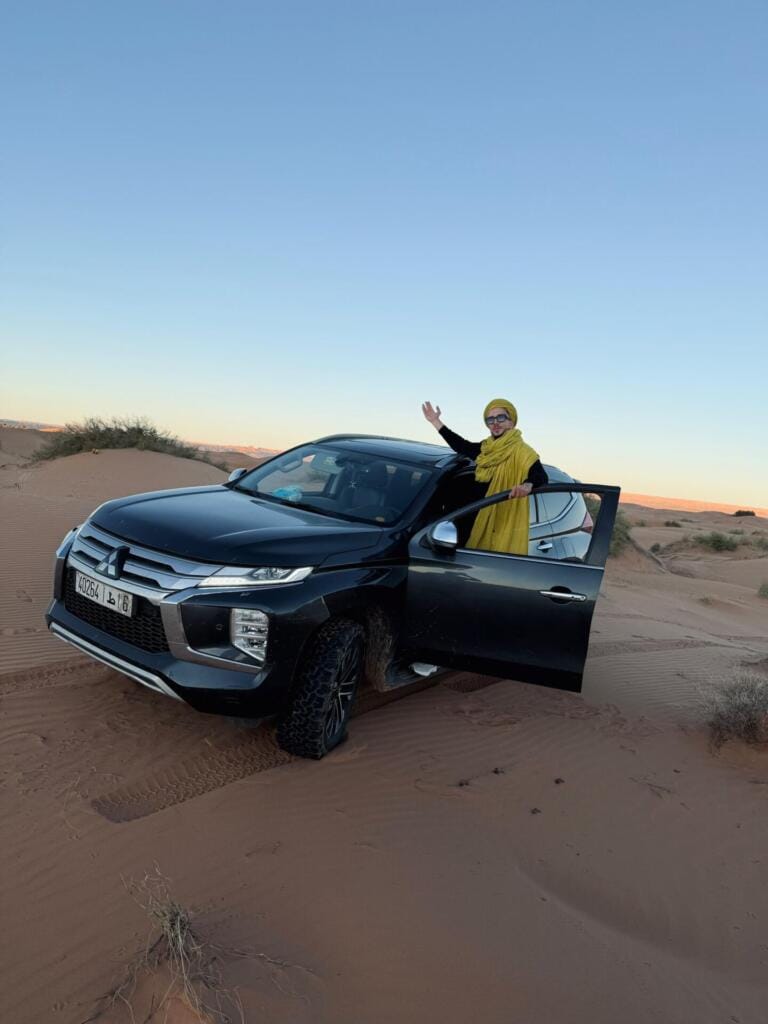
Renting a car is a great way to explore Morocco, especially if you plan to visit smaller towns, mountain villages, or the Sahara Desert. While driving is generally straightforward, there are a few differences from the U.S. that are helpful to know before you get behind the wheel.
Morocco has an excellent network of highways connecting many of its major cities. Toll roads are common, and make traveling between destinations like Casablanca, Rabat, Marrakech, and Tangier fast and comfortable.
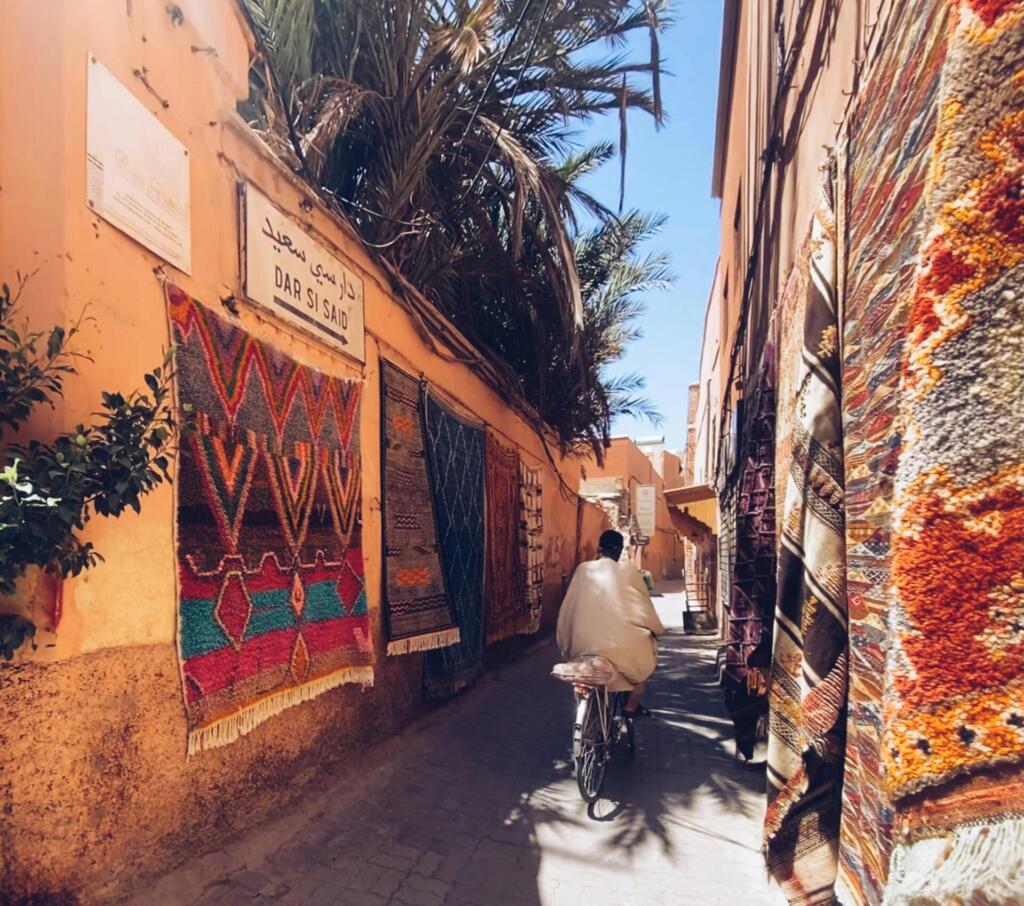
Driving through Morocco’s larger cities can feel intimidating at first. Cars, motorcycles, bicycles, pedestrians, and even the occasional donkey cart often share the same roads. In historic medinas, many streets are too narrow for vehicles, so you’ll usually park nearby and explore on foot.
If you’re planning to visit the Atlas Mountains or more remote villages, expect winding roads, sharp curves, and changing elevations. These drives are incredibly scenic, but they require extra attention and a slower pace, especially during winter or bad weather.


Morocco offers several public transportation options. Each has its own advantages depending on where you’re going and how you like to travel.
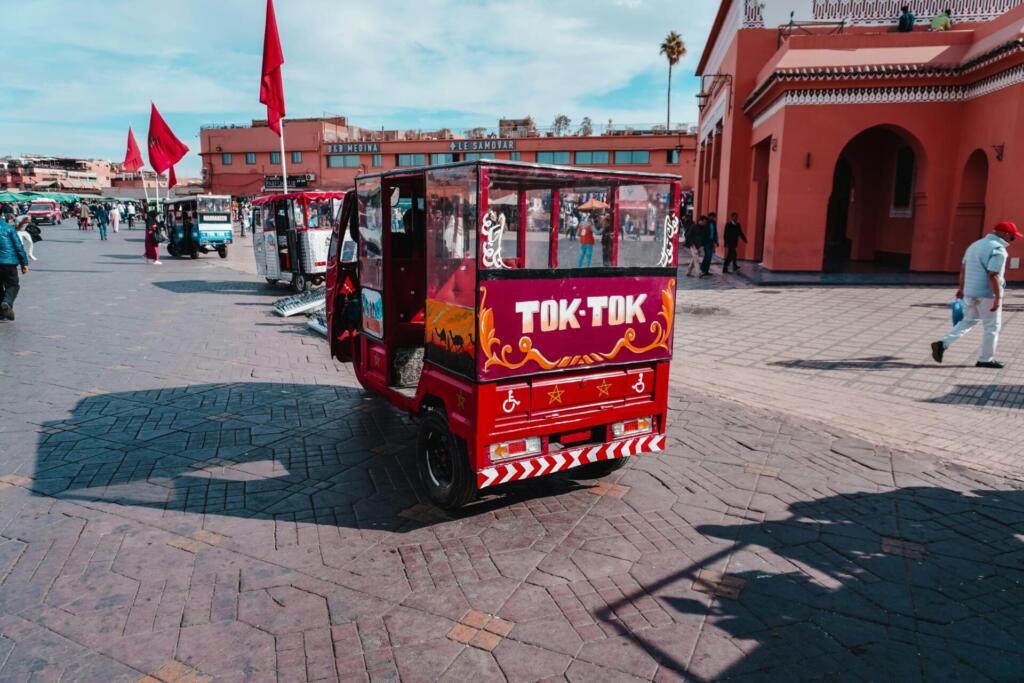
Taxis are one of the most common ways to get around Morocco’s cities and towns. Petit taxis operate within city limits and are ideal for shorter trips, while grand taxis travel longer distances or between nearby towns and often carry multiple passengers. Always confirm that the meter is being used, or agree on the fare before your journey begins if a meter isn’t available
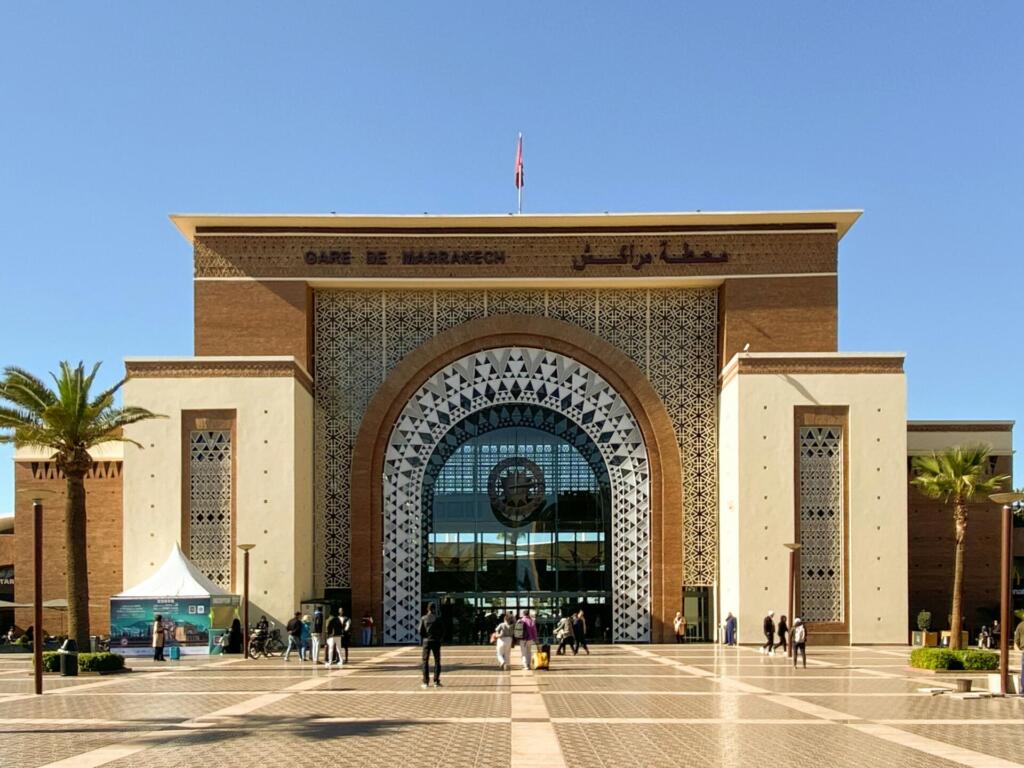
Morocco’s rail system, operated by ONCF, is one of the easiest ways to travel between major cities. Trains are generally comfortable, affordable, and a relaxing alternative to driving. First-class tickets offer reserved seating and are often worth the small additional cost.
Buses connect destinations throughout Morocco, including many places that aren’t served by trains. Companies such as CTM and Supratours are known for being comfortable and dependable, making them popular choices for both locals and visitors. For longer journeys, booking your ticket in advance is recommended, especially during holidays and busy travel seasons.
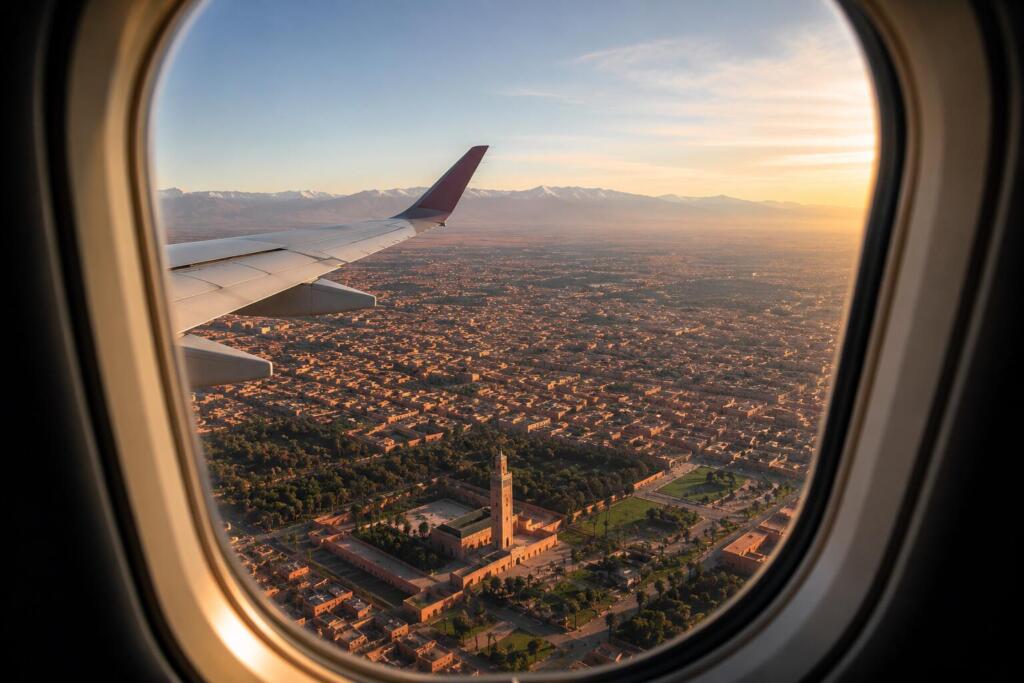
Domestic flights can save travel time when visiting destinations that are far apart. While flying isn’t necessary for most itineraries, it can be a convenient option if you’re short on time or planning to cover a large portion of the country.
Public transportation is generally affordable and widely available throughout Morocco. Tickets for trains and long-distance buses can often be purchased online or at the station. During holidays and peak travel seasons, transportation may sell out, so booking ahead is a good idea. Keep a small amount of cash on hand for taxis or stations that may not accept credit cards. If you’re traveling with several suitcases or a group, a private driver may be more comfortable and convenient.
🌿Traveler Tip
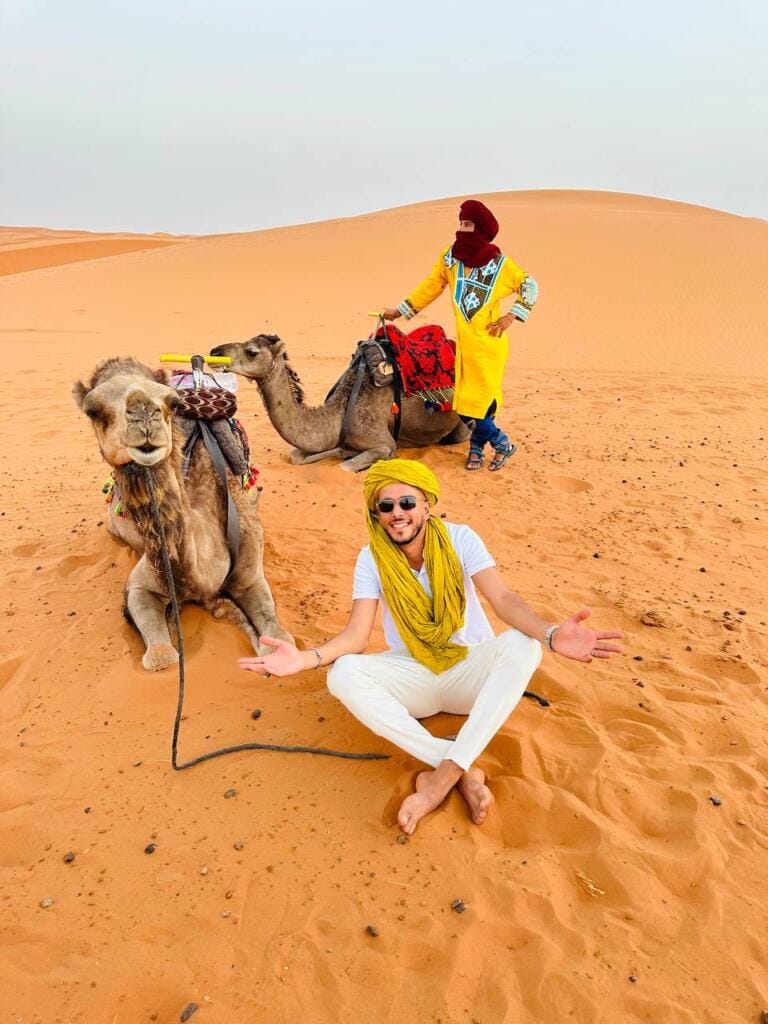
If you’re traveling between major cities, don’t be afraid to mix transportation methods. Many visitors enjoy taking the train between larger cities and then switching to a private driver or guided tour for mountain villages, waterfalls, or the Sahara Desert. It can be the perfect balance of convenience, comfort, and local experiences.
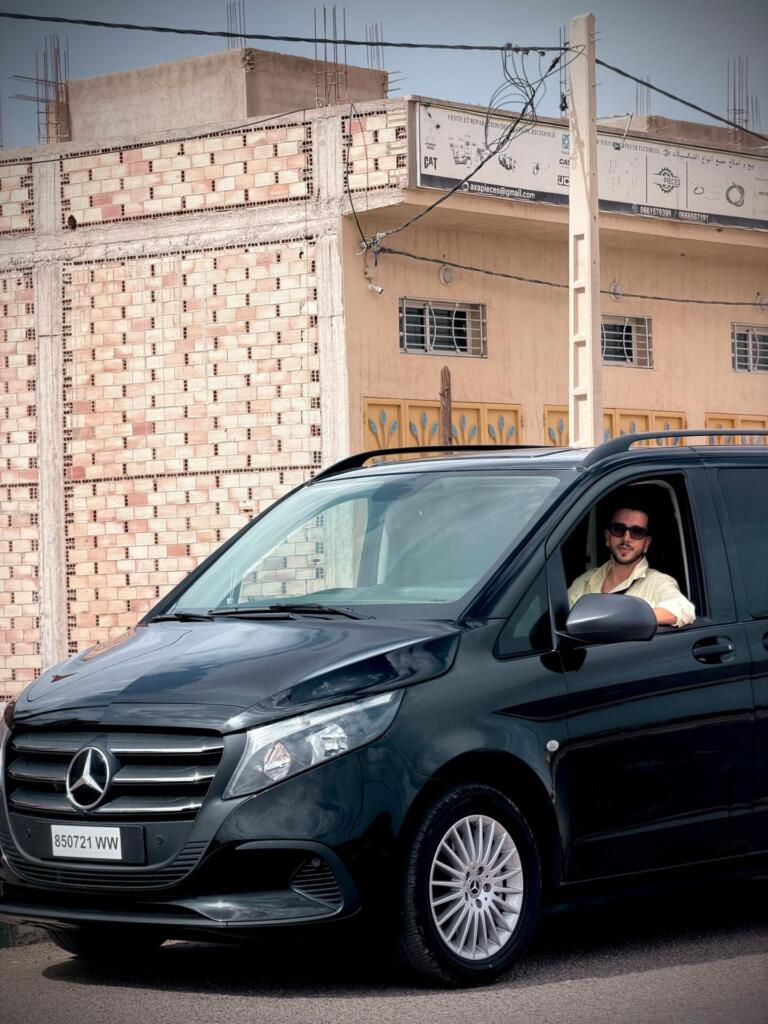
One of the easiest and most relaxing ways to explore Morocco is with a private driver or guided tour. Enjoy the journey while someone else handles the logistics. Whether you’re visiting for a single day or planning a multi-city adventure, having a local by your side allows you to experience Morocco with confidence and flexibility.
A local driver often knows much more than the fastest route. They can recommend family-owned restaurants, scenic viewpoints, local markets, and places that many visitors would never discover on their own.
🌿Traveler Tip
Some of your favorite memories in Morocco aren’t on the itinerary. They happen during the drive. A shepherd leading his flock across the road, a roadside café, or an overlook with breathtaking mountain views. Don’t be afraid to ask your driver to stop. Those unplanned moments often become the stories you’ll tell long after your trip ends, and you won’t regret it!
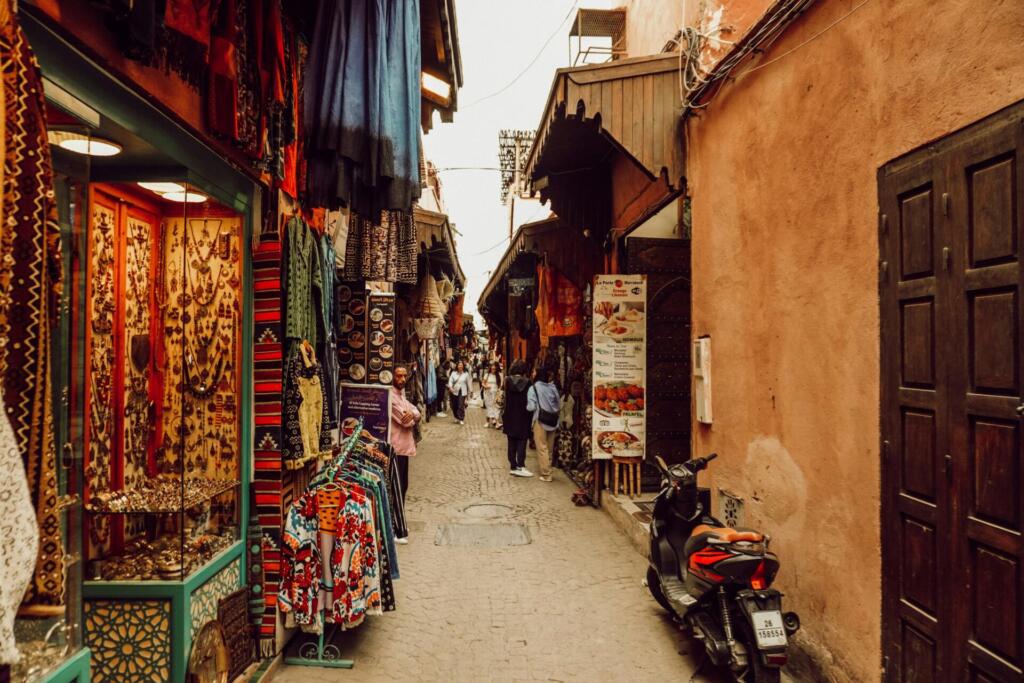
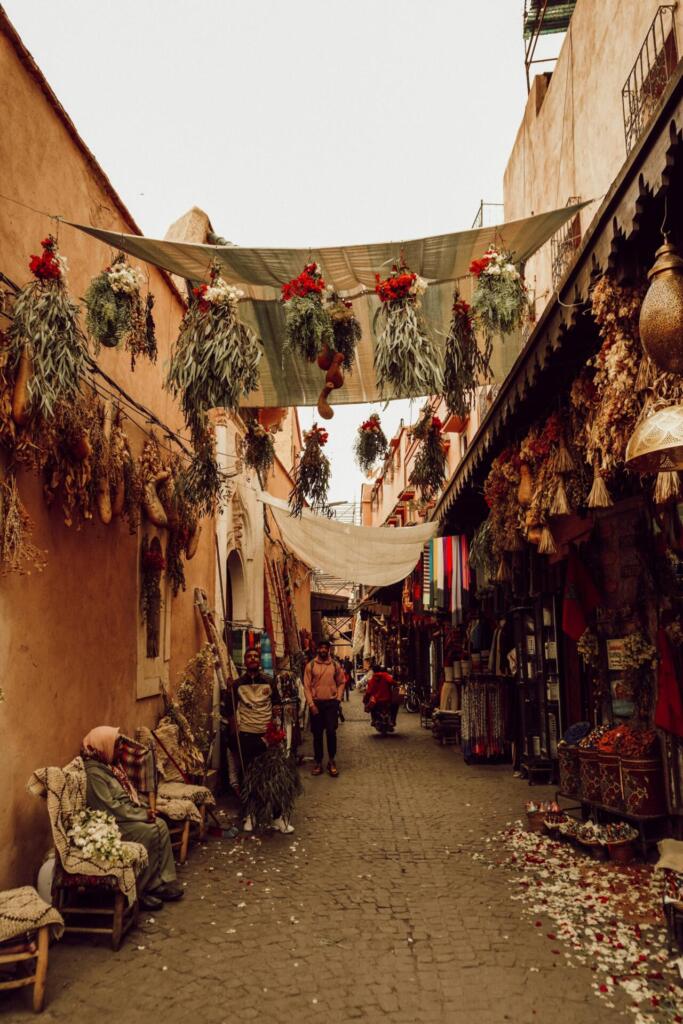
Some of Morocco’s most memorable experiences happen on foot. From the medinas of Marrakech and Fes to the charming blue streets of Chefchaouen and the relaxed coastal medina of Essaouira, walking allows you to notice the details and experience everyday life up close.
Morocco’s medinas are filled with narrow alleyways, uneven stone streets, and plenty of stairs. Comfortable walking shoes with good support will make exploring much more enjoyable, especially if you plan to spend several hours sightseeing.
It’s perfectly normal to get turned around. The winding streets weren’t designed like modern cities, and that’s part of their charm. If you get lost, stay calm, use Google Maps when possible, or ask a shopkeeper or café owner for directions.


Many attractions are within walking distance of one another. Sidewalks can be uneven, so watch your footing. Comfortable clothing and a refillable water bottle are especially helpful during warmer months. Google Maps works well in many areas, but narrow medina streets can sometimes affect GPS accuracy.
🌿 Traveler Tip
Don’t spend your entire visit looking through your camera. Some of the best moments happen when you slow down, listen, and watch. Morocco is a place to experience with all your senses. And wear comfortable shoes. We learned this one the hard way after a full day exploring Ouzoud Waterfalls.
Finding your way around Morocco is easier than ever thanks to smartphones and navigation apps. Whether you’re walking through a busy city, driving between destinations, or meeting your guide, a few simple tools can make your trip much smoother.
Google Maps works well throughout most of Morocco and is helpful for driving directions, walking routes, and finding restaurants, hotels, and attractions. Downloading offline maps before leaving Wi-Fi is a smart idea, especially if you’re planning to explore rural areas or the Atlas Mountains.
WhatsApp is widely used throughout Morocco, making it easy to share your live location with family, friends, or your driver. If you’re meeting someone in a busy area or need assistance finding your accommodation, sending your location is often the quickest solution.
🌿Traveler Tip
Before leaving your hotel or riad each day, take a screenshot of your accommodation’s address and pin it in Google Maps. If your phone loses service or your battery runs low, you’ll still have the information you need to find your way back.
Uber does not currently operate in Morocco. Instead, most travelers use petit taxis for city transportation, grand taxis for longer routes, or pre-arranged private drivers and guided tours.
Many train stations, rental car agencies, and larger transportation companies accept major credit cards. However, taxis and smaller operators often prefer cash, so it’s always a good idea to carry some Moroccan dirhams with you.
It depends on your travel style. During busy seasons, booking trains, buses, or private tours in advance is recommended. If you’re traveling during quieter times, you’ll usually have more flexibility.
Morocco is a popular destination for visitors from around the world, and most travelers have a safe and enjoyable experience. As with any destination, stay aware of your surroundings, keep an eye on your belongings, and use common sense while exploring.